This article is part of HHGR's continuing education series for our valued customers.
Professional gemstone grading is performed by trained specialists known as Graduate Gemologists, who are educated in the scientific identification, evaluation, and documentation of gemstones. While both diamonds and colored gemstones undergo careful examination, the grading systems and evaluation priorities differ significantly between the two.
Diamond Grading
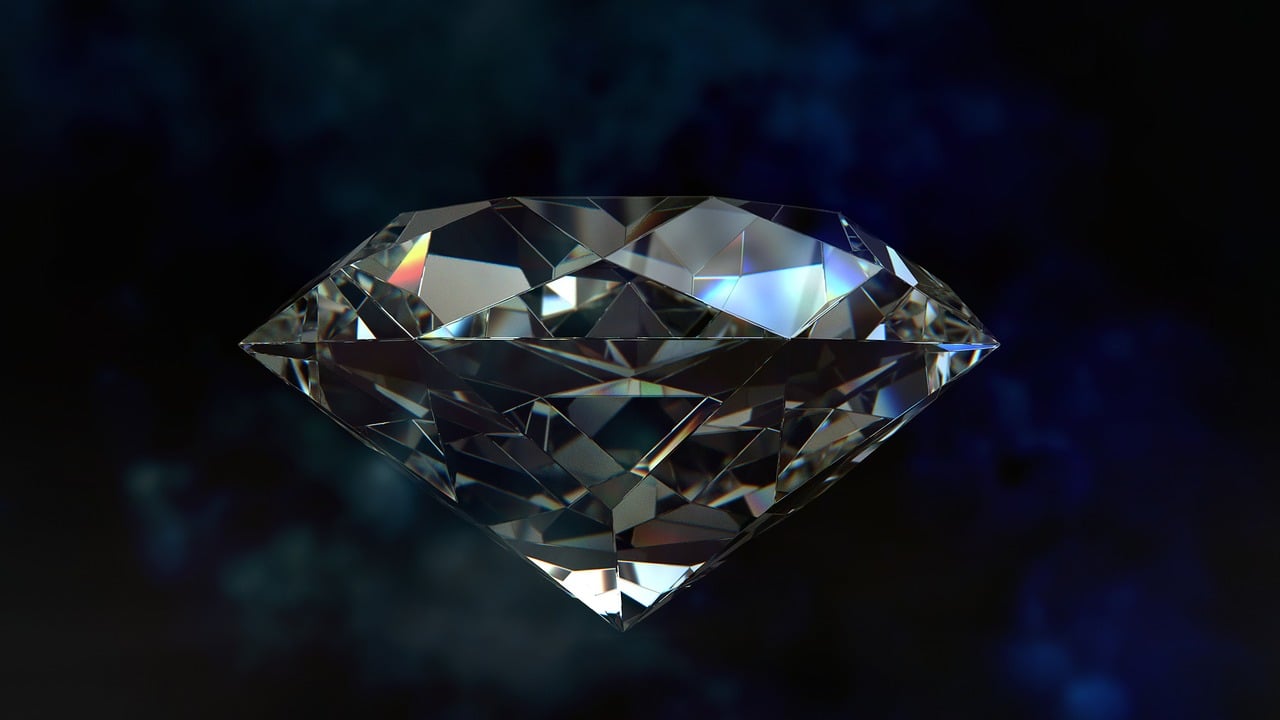
Diamonds are graded using a standardized system commonly known as the Four Cs: Carat weight, Color, Clarity, and Cut. This system provides a consistent way to evaluate diamonds and communicate their quality within the jewelry industry.
Graduate gemologists examine diamonds using specialized instruments designed to reveal subtle characteristics:
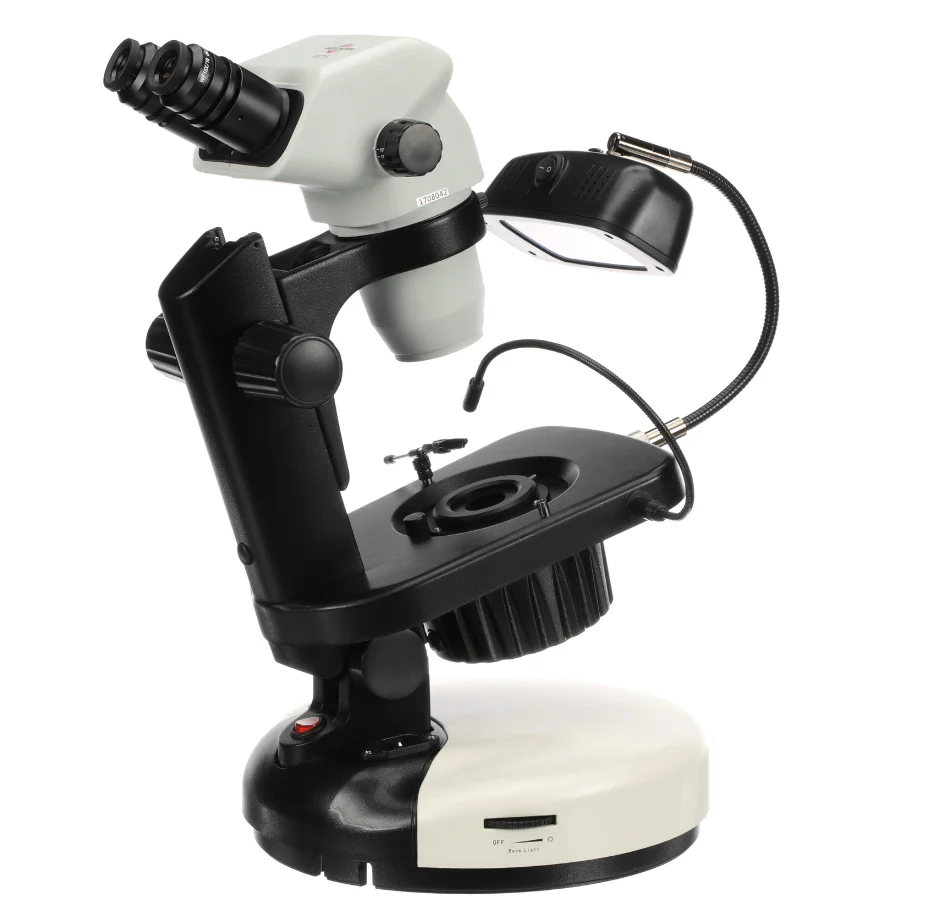
| Gemological Microscope – Used to examine inclusions and surface features that determine a diamond’s clarity grade. Magnification allows the gemologist to map internal characteristics that help identify the stone and confirm natural origin. | |
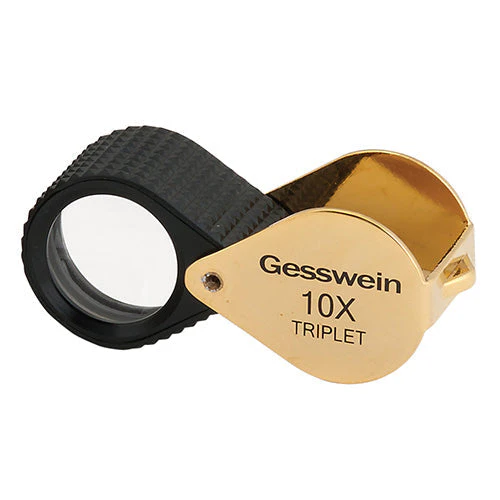
| 10x Loupe – A small handheld magnifier considered the standard for clarity grading in the diamond industry. Clarity grades are typically determined at 10× magnification. | |
| Master Color Comparison Stones – A controlled set of diamonds with known color grades used as references when determining where a diamond falls on the color scale, typically ranging from D (colorless) to Z (light yellow or brown). | |
| Precision Carat Scale – Measures the weight of the diamond to a high level of accuracy, as even small differences in carat weight can significantly affect value. | |
| Proportion Measuring Tools – Devices such as digital calipers or proportion scopes are used to measure the diamond’s dimensions and evaluate the quality of its cut. |
Colored Gemstone Grading
Unlike diamonds, colored gemstones (such as sapphires, rubies, emeralds, and many others) are not graded using a universal “Four Cs” system. Instead, their evaluation focuses primarily on color quality, clarity, transparency, cut, and overall rarity.
Color is the most important factor for many colored gemstones and is evaluated based on three components:
| Hue – The basic color (blue, red, green, etc.) | |
| Tone – The lightness or darkness of the color | |
| Saturation – The intensity or purity of the color |
|
Graduate gemologists use a range of laboratory instruments to properly identify and analyze colored gemstones: |
|
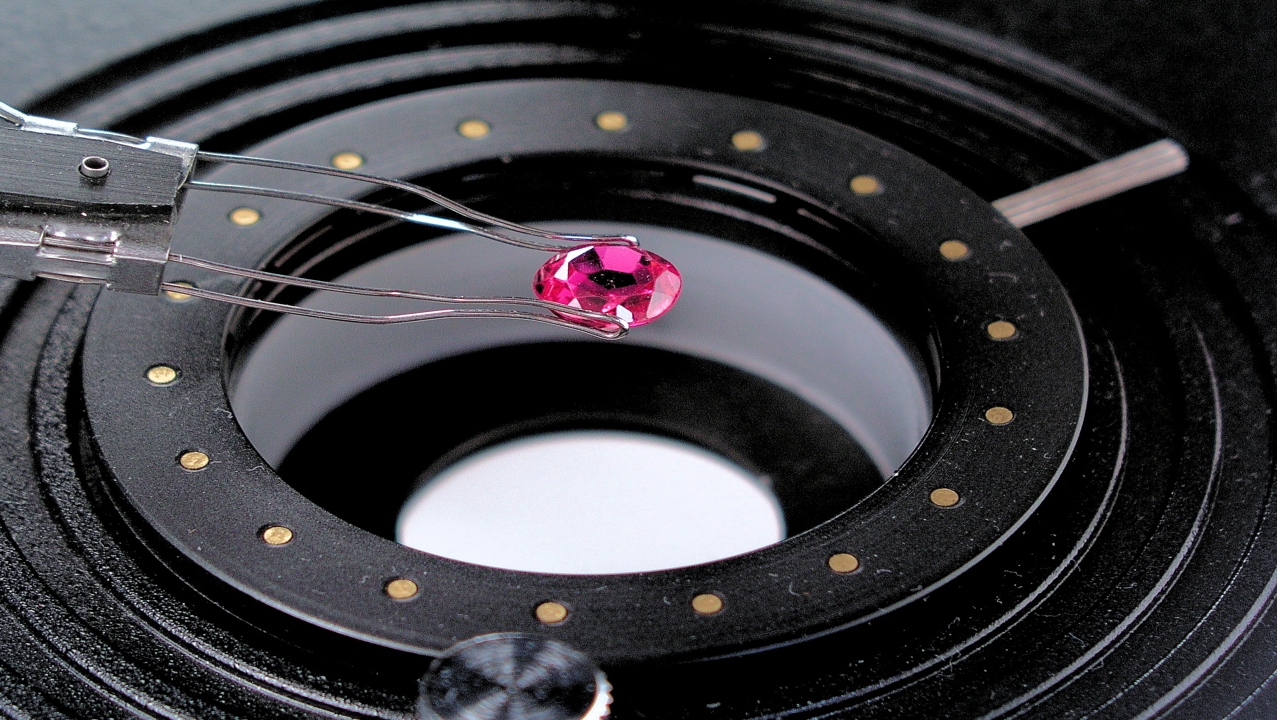
| Gemological Microscope – Used to examine inclusions, growth patterns, and internal features that can indicate whether a stone is natural, synthetic, or treated. | |
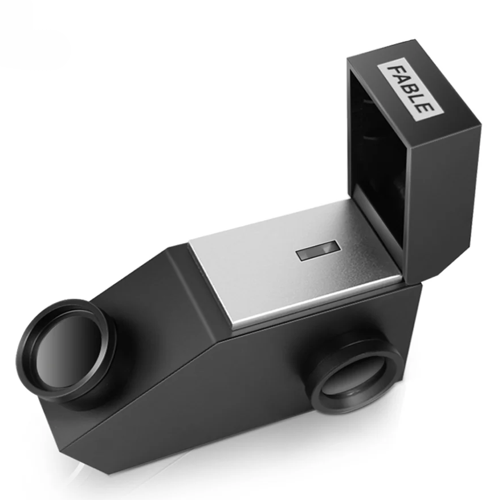
| Refractometer – Measures the refractive index of a gemstone, helping determine the type of mineral species. | |
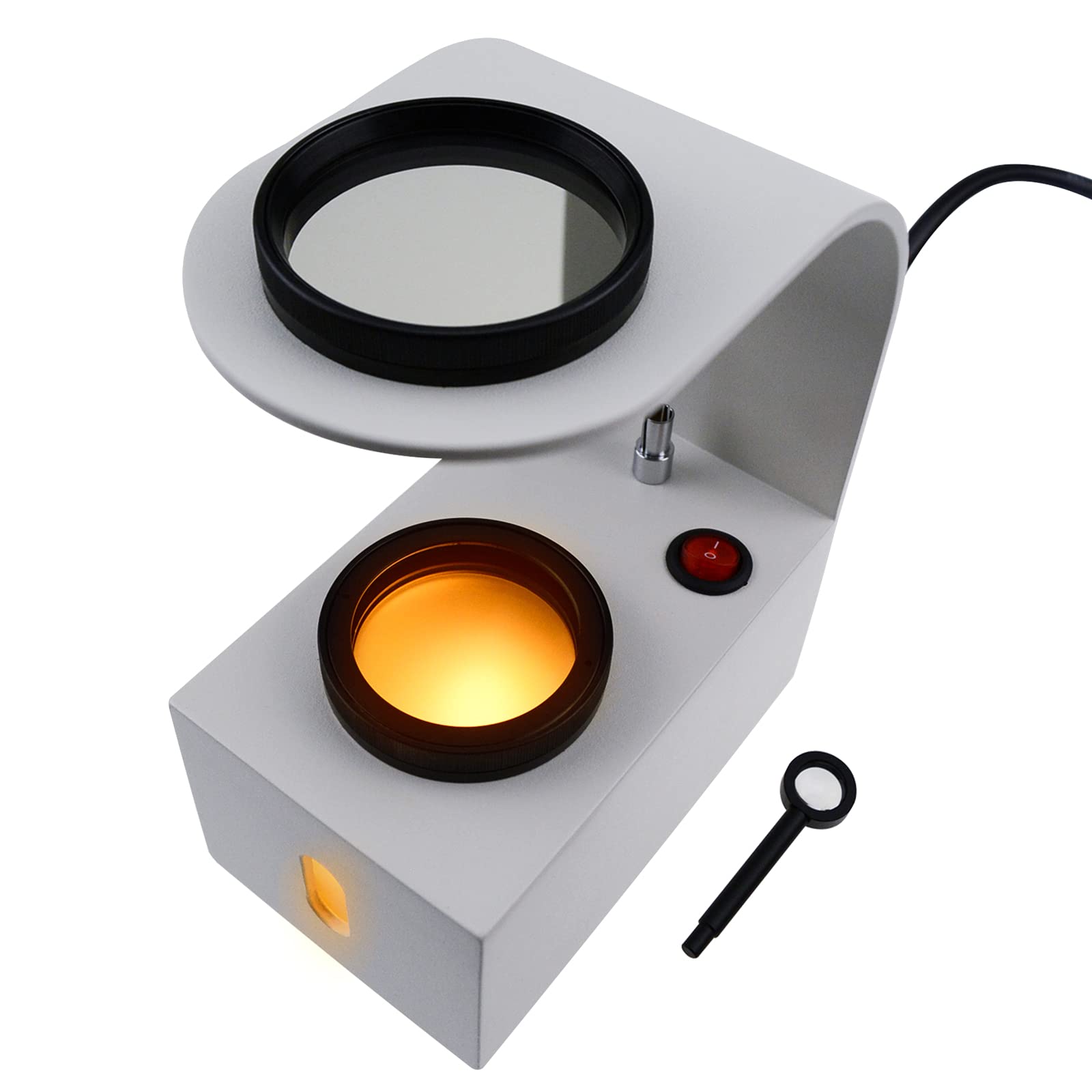
| Polariscope – Helps identify optical properties and crystal structure, which can aid in gemstone identification. | |
| Spectroscope – Analyzes how the gemstone absorbs light, providing clues about the elements responsible for its color. | |
| Specific Gravity Testing Equipment – Measures the density of a gemstone, another important property used for identification. | |
The Key Difference
The primary difference between diamond grading and colored gemstone evaluation lies in standardization versus individuality. Diamond grading follows a widely accepted, standardized system that allows diamonds to be compared easily across the global market. Colored gemstones, however, vary greatly in composition, color behavior, and rarity, so their evaluation requires a broader set of identification tests and a more nuanced assessment of color and quality.
Through careful examination and the use of specialized instruments, graduate gemologists provide accurate identification and grading reports that help jewelers, collectors, insurers, and owners understand the true nature and value of their gemstones.